
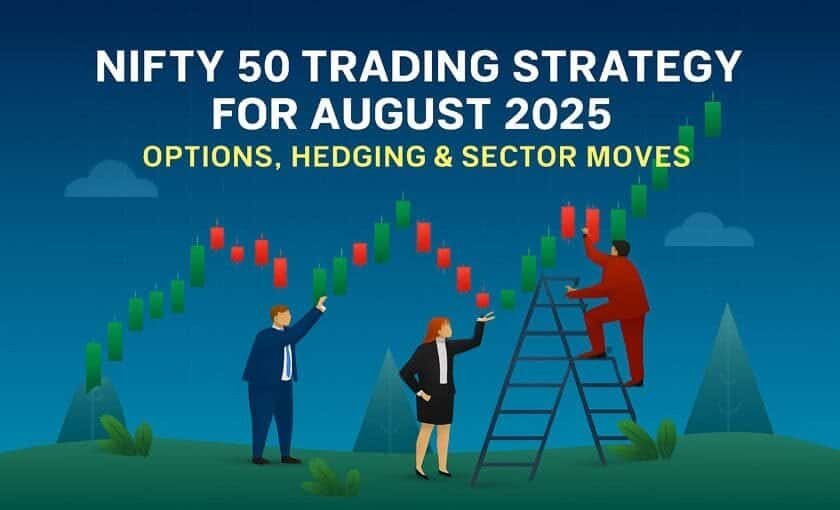
Nifty 50 trading strategy for August 2025

Nifty 50 Today: NSE Market Outlook, Technical Levels & Trading Tips
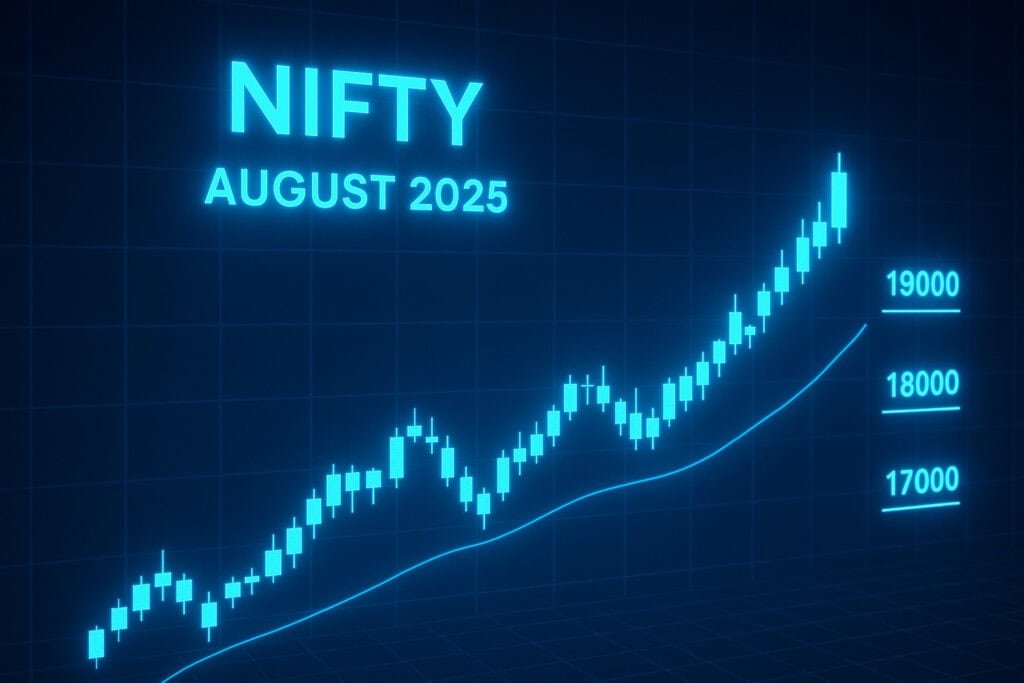
Nifty 50 trading strategy for August 2025 – daily chart preview


The best Nifty 50 trading strategy for August 2025 is to combine breakout trading on key resistance levels with strict risk management, while aligning positions to upcoming earnings announcements and global market cues. Traders should focus on intraday setups around the 24,000–24,500 zone, use tight stop-loss levels (below 1% risk per trade), and track institutional activity through OI (Open Interest) shifts. This balanced approach helps capture directional momentum, reduce downside risks, and maximize opportunities in India’s benchmark index during this volatile month.


Nifty 50 as India’s Benchmark Index

The Nifty 50 is India’s most important stock market index. It is managed by the National Stock Exchange of India (NSE) and tracks the performance of the top 50 companies across sectors. Think of it as a scorecard of the Indian economy.

Why Traders and Investors Watch It Closely

  • It shows how the overall market is moving.
  • Mutual funds, traders, and foreign investors all use it as a benchmark.
  • A rise in Nifty usually means confidence in India’s economy.

How Nifty 50 Affects the Overall Stock Market

When Nifty goes up, most stocks also rise, and when it falls, many stocks drop. That’s why traders say, “Follow the Nifty to know the market mood.


Nifty 50 Performance in August 2025

Market Sentiment and Global Cues

In August 2025, the Indian stock market has been influenced by:

  • Hopes of U.S. Fed rate cuts → Cheaper global money flows into India.
  • GST reforms talk → Boosts confidence in India’s economy.
  • Global growth outlook → Positive signals from Asian and U.S. markets.

Key Drivers

  1. Fed Chair Jerome Powell’s hint of a rate cut boosted buying in emerging markets.
  2. S&P’s rating upgrade for India improved investor confidence.
  3. Foreign Institutional Investors (FIIs) increased their inflows into Indian equities.

Sector-Wise Performance

  • IT Sector: Strong, supported by global demand.
  • Banking: Stable, but eyes on RBI policy.
  • Energy: Mixed, crude oil price volatility is key.
  • FMCG: Defensive play, seeing steady demand.

Nifty 50 Technical Outlook for Today   
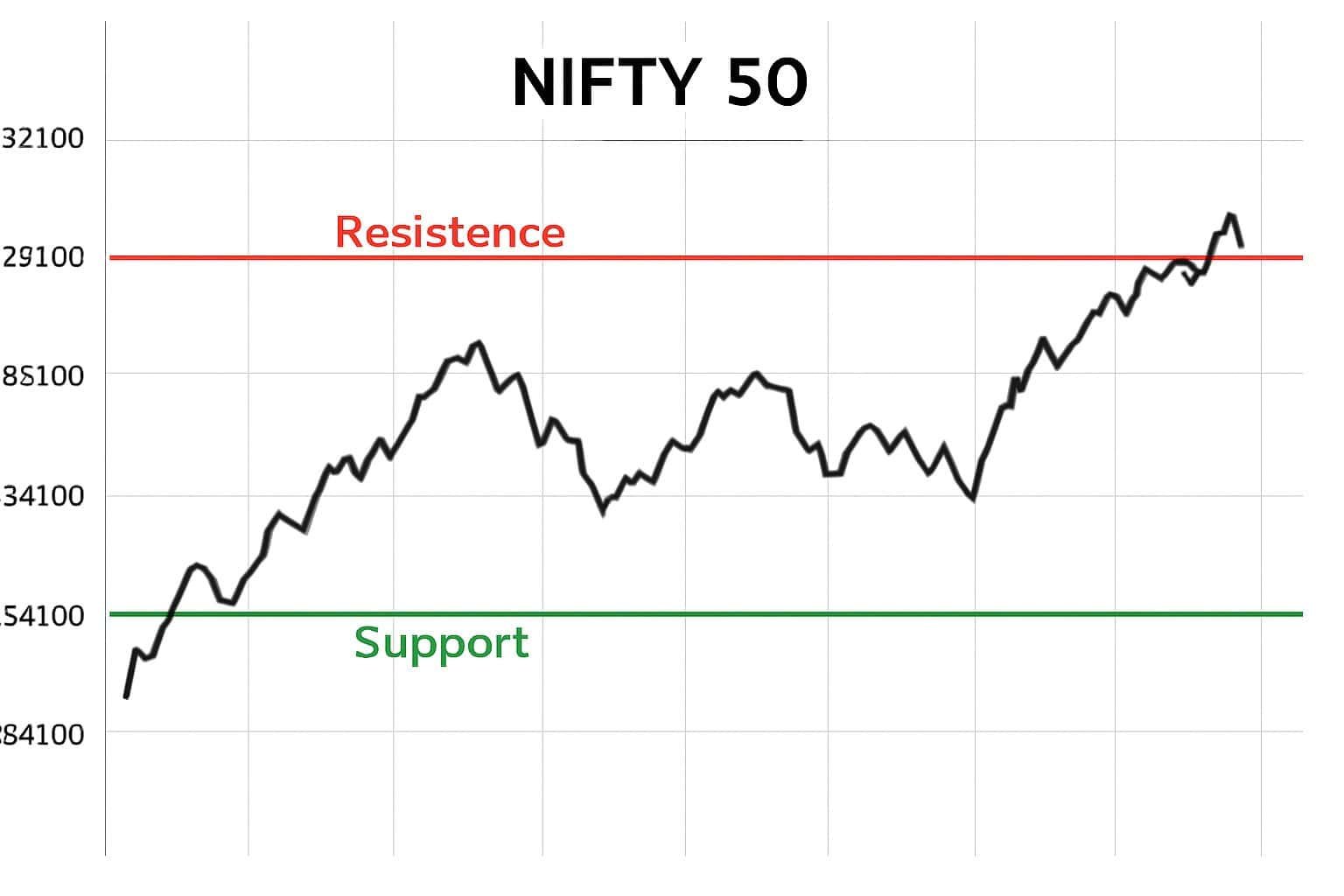
Nifty 50 August 2025 support and resistance levels

Support and Resistance Levels

  • Support: 24,700
  • Resistance: 25,150
    If Nifty holds above 24,700, it may test 25,150. A breakout above that may push it toward 25,300–25,500.

Intraday Nifty 50 Chart Patterns

Traders are spotting bullish flags and consolidation patterns near resistance.

Moving Averages, RSI, and MACD Analysis

  • 50-Day Moving Average (DMA): Uptrend intact.
  • RSI (Relative Strength Index): Around 63 – shows moderate strength, not overbought yet.
  • MACD: Still bullish, suggesting momentum continues.

What Traders Should Watch This Week

  • Nifty’s reaction at 24,700 support.
  • If FIIs keep buying.
  • RBI statements or policy hints.

Nifty 50 Trading Strategy for August 2025   
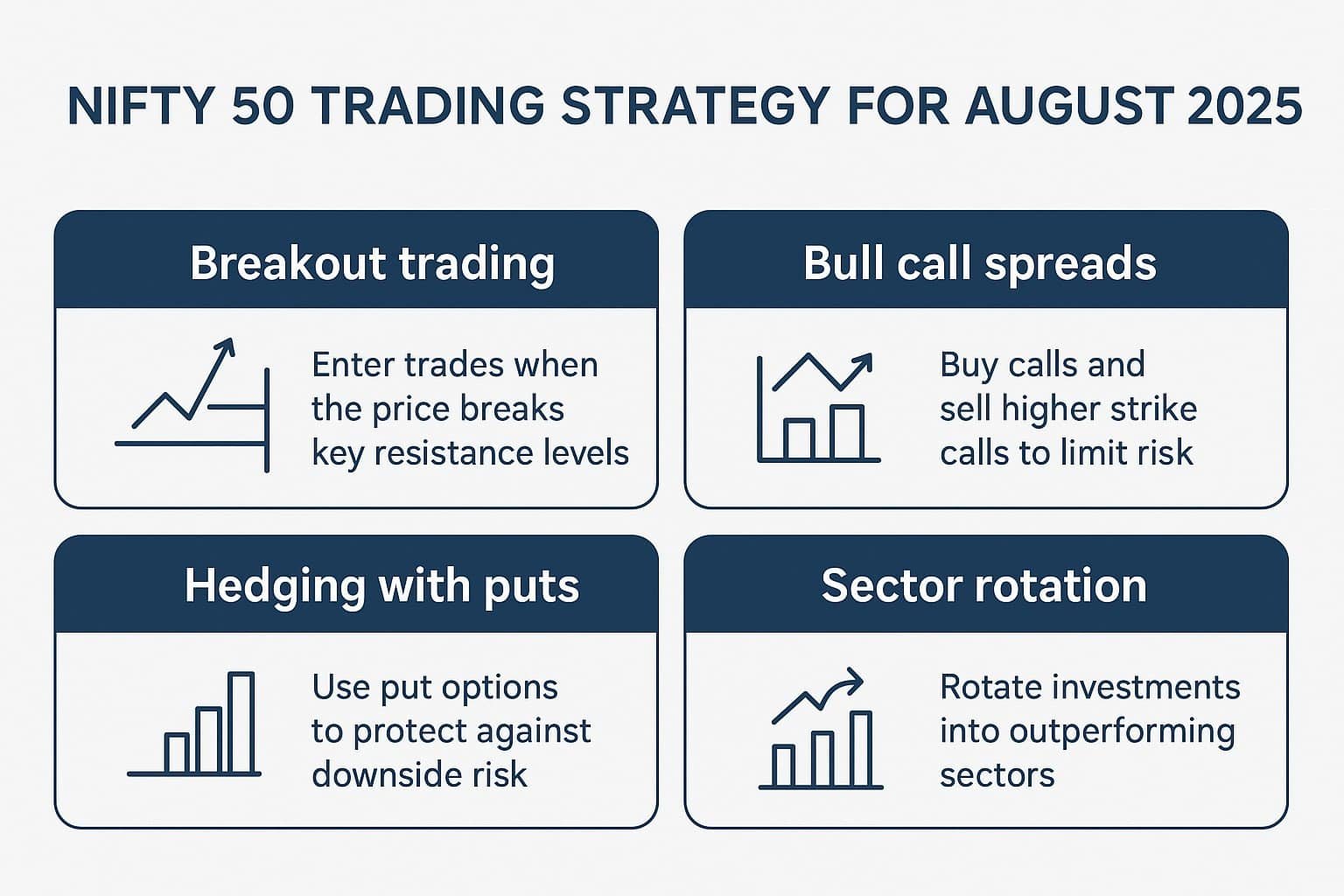
Nifty 50 strategy infographic for August 2025

Advanced Nifty 50 Trading Strategy for August 2025: Options & Hedging Approach

A refined Nifty 50 trading strategy for August 2025 goes beyond simple buy-and-sell. Traders are using options strategies like bull call spreads and iron condors to profit from volatility while limiting risk. For example, buying a 24,800 call and selling a 25,200 call reduces premium cost while still capturing upside moves. Similarly, hedging Nifty futures with protective puts at 24,700 helps manage downside risk. This balanced approach allows traders to participate in rallies without being exposed to sharp market reversals.         

Sector Rotation in Nifty 50 Trading Strategy for August 2025

Another powerful Nifty 50 trading strategy for August 2025 is focusing on sector rotation. Data shows IT, energy, and FMCG sectors leading gains, while metals and autos remain weak. Smart traders align their Nifty trades with these sector moves — entering long positions when sector leaders like Infosys or Reliance push the index higher, and trimming exposure when lagging sectors drag performance. By tracking sector rotation alongside index levels, traders gain an edge in timing entries and exits more effectively.

Short-Term Strategy for Intraday Traders

  • Buy near support zones (24,700–24,800).
  • Book profits near 25,100–25,150.
  • Place stop-loss below 24,650.
    This keeps risk low while riding market momentum.

Swing Trading Approach (2–10 Days)

  • Look for a buy on dips approach.
  • Entry: Around 24,700–24,750.
  • Exit: 25,300–25,500 range.

Long-Term Investing vs Trading in Nifty 50

Long-term investors don’t chase daily moves. They invest in Nifty 50 index funds or ETFs to track the index over years. Traders, however, use futures & options (F&O) for quick profits.

Risk Management and Position Sizing

  • Never risk more than 1%–2% of capital per trade.
  • Use stop-losses strictly.
  • Adjust position sizes depending on volatility.

Best Sectors and Stocks to Watch in August 2025

Top Performing Nifty 50 Stocks

  • Reliance Industries – benefiting from energy reforms.
  • Infosys & TCS – IT growth supporting exports.
  • HDFC Bank & ICICI Bank – steady performance.

Weak Performers and Possible Risks

  • Metal stocks under pressure from global slowdown.
  • Auto stocks cautious due to raw material costs.

F&O (Futures and Options) Action

Options data shows heavy call writing at 25,200 → resistance.
Put writing strong at 24,700 → support.


Beginner’s Guide to Trading Nifty 50 Today
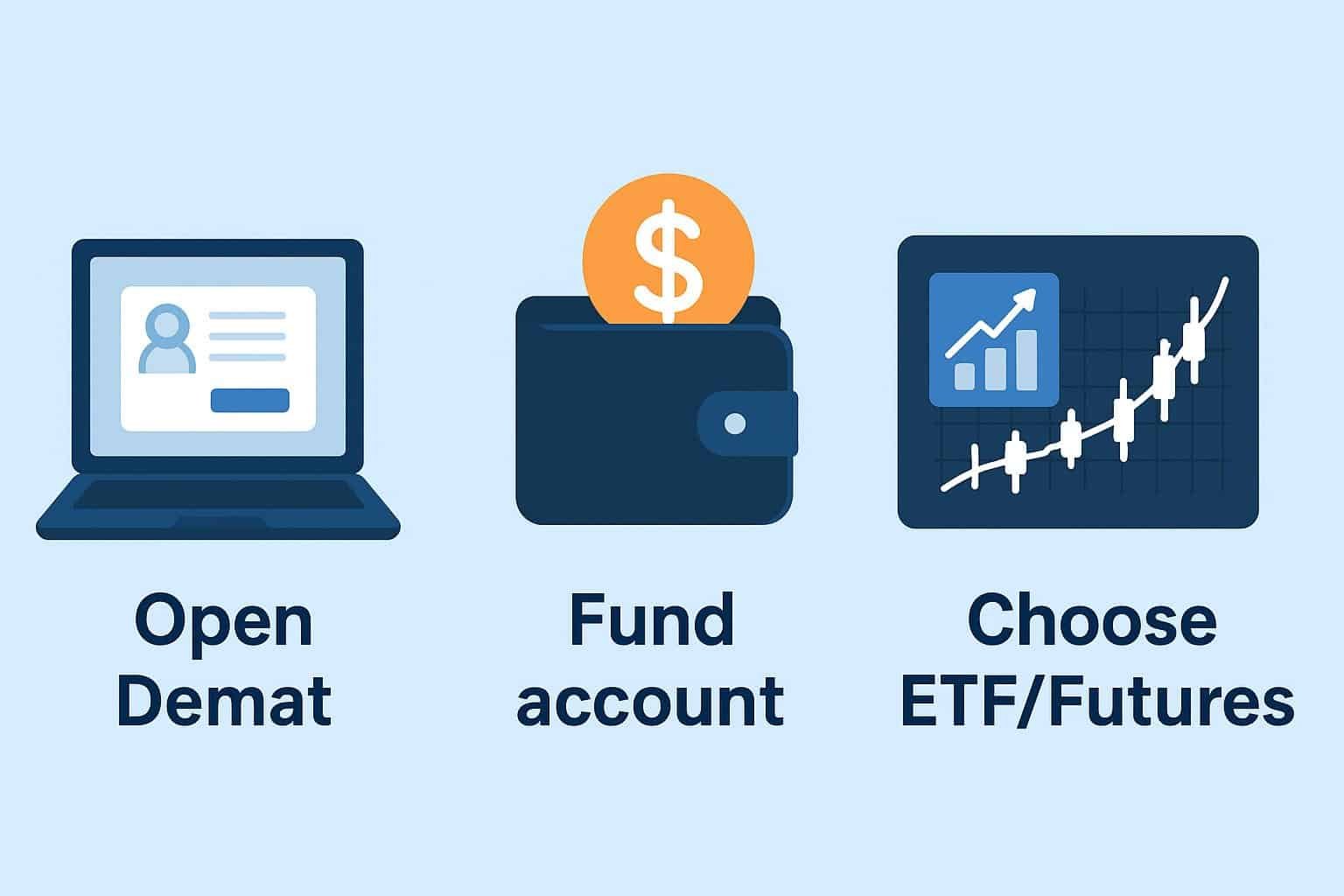
Steps to start Nifty 50 trading for beginners

How to Start Trading Nifty 50      

  1. Open a Demat and Trading Account with a broker like Zerodha, Upstox, or Groww.
  2. Add funds via UPI/Netbanking.
  3. Start with Nifty 50 ETFs or small lots of Nifty Futures.

Simple Example of Buying and Selling Nifty 50

  • Buy Nifty at 24,750.
  • Sell at 24,900.
  • Profit: 150 points per lot (lot size 50 = ₹7,500).

Mistakes Beginners Should Avoid

  • Overtrading in excitement.
  • Ignoring stop-loss.
  • Following random tips without research.

Global Events Affecting Nifty 50 in August 2025

US Fed and Global Interest Rates

A September rate cut could bring more foreign money into India, boosting Nifty further.

Crude Oil, Gold, and Global Commodities Impact

  • High crude oil → negative for India (importer).
  • Strong gold → safe-haven buying when markets get risky.

Foreign Institutional Investors (FII) Flows

FIIs have been net buyers in August, pushing the Nifty higher.


Nifty 50 Outlook for the Rest of 2025

Bullish and Bearish Scenarios

  • Bullish: If Nifty breaks 25,500, it could aim for 26,000+. 
Bullish flag pattern on Nifty 50 intraday chart – August 2025
  • Bearish: A fall below 24,600 could drag it to 24,200.  

Expert Forecasts

Analysts suggest a range of 24,500–26,000 till December 2025.

Key Levels to Watch Toward Year-End

  • Support: 24,500
  • Resistance: 26,000

Final Thoughts – How Traders Can Stay Ahead in Nifty 50

Trading Nifty 50 successfully in August 2025 requires discipline. Watch technical levels, global cues, and sector performance. Beginners should focus on small trades and risk control. Long-term investors can use Nifty 50 ETFs to build steady wealth.


FAQs on Nifty 50 Today and Trading Strategies

Q1. What is the current level of Nifty 50 today?
As of August 25, 2025, Nifty 50 is around 24,939.

Q2. What are the Nifty 50 support and resistance levels this week?
Support at 24,700; resistance at 25,150.

Q3. What is the best trading strategy for Nifty 50 in August 2025?
Buy on dips above 24,700 and target 25,100–25,300, with strict stop-loss.

Q4. Can beginners trade Nifty 50 easily?
Yes, but it’s best to start with ETFs or index funds before moving into Futures & Options.

Q5. Is Nifty 50 a good investment for the long term?
Yes. Historically, Nifty 50 has delivered 12–14% CAGR returns over long periods.

For more insights, strategies, and daily updates on Nifty 50 trading, feel free to reach out to us anytime we’re here to guide you on your trading journey
best trading apps for intraday traders

10 Best Trading Apps for Intraday Traders in India (2025)

If you are searching for the best trading apps for intraday traders, this guide compares the top 10 apps in India for 2025.They are Zerodha Kite, Upstox Pro, Angel One, Groww, ICICI Direct Markets, HDFC Securities, Kotak Neo, Sharekhan, 5paisa, and Motilal Oswal. These apps are trusted for their speed, low brokerage, advanced charting tools, and reliable execution, making them the top choices for traders who buy and sell stocks within the same day.


Why Intraday Traders Need the Right App

Intraday trading is about speed, precision, and low costs. Unlike long-term investors, day traders may place dozens of trades within hours. Even a one-second delay, app crash, or high brokerage fee can eat into profits.

That’s why choosing the best trading apps for intraday traders is so important. The right app gives you:

  • Fast order execution
  • Real-time price feeds
  • Low brokerage charges
  • Advanced charting tools
  • App stability during peak hours

In this guide, we’ll break down the top 10 trading apps in India for 2025 so you can pick the one that matches your trading style.


Why the Best Trading Apps for Intraday Traders Matter in 2025

Intraday trading has grown rapidly in India thanks to discount brokers, mobile-first apps, and a surge in retail participation. In 2025, competition among brokers is fierce, and only apps that combine speed, low cost, and strong features stand out.

The best trading apps for intraday traders aren’t just about buying or selling—they’re full-fledged platforms with live data, technical analysis, margin facilities, and seamless execution. Traders using outdated apps risk slippage and higher costs, while those with advanced apps gain a real edge.


Key Features in the Best Trading Apps for Intraday Traders

Before we dive into the list, here’s what separates a good app from a great one:

  1. Speed & Reliability – Orders must execute instantly.
  2. Low Brokerage Fees – Flat-rate or discount models save money.
  3. Advanced Charting Tools – Indicators, drawing tools, multi-timeframe analysis.
  4. Real-Time Market Data – No delays, live tick-by-tick updates.
  5. Stability During Peak Hours – Apps shouldn’t crash when the market is most active.

The 10 Best Trading Apps for Intraday Traders in India (2025)


1. Zerodha Kite – Best Overall App for Intraday Traders

Among the best trading apps for intraday traders zerodha Kite remains India’s most trusted and widely used trading app, with more than 10 million users. It’s the go-to choice for intraday traders thanks to its low brokerage, fast performance, and advanced charting.           best trading apps for intraday traders

  • Brokerage: Flat ₹20 per intraday order or 0.03% (whichever is lower). Delivery trades are free.
  • Charting: 100+ technical indicators via TradingView & ChartIQ integration.
  • Interface: Lightweight, smooth on all devices, even with average internet.

What makes Kite stand out is its ecosystem support—Console for analytics, Coin for mutual funds, and Varsity for education. Intraday traders benefit from tick-by-tick live market data, customizable watchlists, and seamless execution.

Best For: Active intraday traders, scalpers, technical analysts.
Pros: Ultra-low brokerage, lightning speed, advanced charts.
Cons: Limited stock research, best for self-directed traders.


2. Upstox Pro – Best for Low Brokerage Traders

Backed by Tiger Global and Ratan Tata, Upstox has grown into one of India’s largest brokers. Its app, Upstox Pro, is tailored for cost-conscious intraday traders.

  • Brokerage: Flat ₹20 per trade (intraday, F&O, commodities, currencies).
  • Features: Powerful TradingView charts, 100+ indicators, GTT (Good Till Triggered) orders.
  • Strength: Margin trading facility for intraday, allowing higher exposure.

The Upstox Pro app is ideal for high-frequency traders who want minimal brokerage costs. It also integrates news feeds, option chain analysis, and AI-powered insights, making it a well-rounded platform.         best trading apps for intraday traders

Best For: Traders focused on low-cost, high-volume intraday strategies.
Pros: Lowest brokerage, intuitive charts, GTT orders.
Cons: Customer service can be slow during high demand.


3. Angel One – Best for Beginners in Intraday Trading

Angel One (formerly Angel Broking) is known for its all-in-one app that suits both beginners and advanced traders.

  • Brokerage: ₹20 per intraday trade.
  • Features: AI-powered stock recommendations, advanced charts, ARQ Prime (investment engine).      best trading apps for intraday traders
  • Specialty: Smart API access for algo traders.

What makes Angel One unique is its blend of research + trading tools. Beginners get access to expert recommendations, while intraday traders can use advanced charting and margin benefits. Its recent upgrades make the app stable and smooth, even on peak trading days.

Best For: Beginners transitioning into active intraday trading.
Pros: Research + tools in one app, stable, AI-backed insights.
Cons: Brokerage flat at ₹20, not the cheapest for light traders.


4. Groww – Best for Simplicity and First-Time Traders

Originally a mutual fund platform, Groww has quickly become one of India’s most popular stock trading apps.        best trading apps for intraday traders

  • Brokerage: ₹20 per intraday trade or 0.05% (whichever lower).
  • Interface: Ultra-clean, beginner-friendly.
  • Features: Stock investing, intraday trading, mutual funds, IPOs.

Unlike Zerodha or Upstox, Groww focuses on simplicity over advanced features. It’s best for first-time traders who want to dabble in intraday trading without complex charts. That said, Groww has steadily added new features, including basic charting and instant fund transfers.

Best For: Beginners, casual traders, mutual fund + equity users.
Pros: Easiest interface, reliable, seamless onboarding.
Cons: Limited tools for professional day traders.


5. ICICI Direct Markets – Best Full-Service Bank-Backed App

ICICI Direct is one of India’s oldest brokers, and its Markets app is highly rated for intraday trading.

  • Brokerage: Flat ₹20 per intraday trade in i-Secure plan.
  • Features: Advanced charting, research reports, trading in equities, commodities, F&O.
  • Edge: Backed by ICICI Bank, offers seamless fund transfers.

What sets ICICI Direct apart is trust + research.      

 Intraday traders benefit from technical and fundamental research reports, along with margin trading facilities. While brokerage is slightly higher than discount brokers, ICICI’s strong customer service and reliability balance it out.

Best For: Traders who value research + bank integration.
Pros: Strong research, stable app, trusted brand.
Cons: Higher charges than discount brokers.


6. HDFC Securities App – Most Reliable Bank-Backed Platform

HDFC Securities is another leading bank-backed broker, offering a powerful and secure trading app.

  • Brokerage: ₹20 per intraday trade.
  • Features: Advanced charting, derivatives, research, margin trading.
  • Strength: Bank integration for instant fund transfers.

The HDFC Securities app is known for stability and trustworthiness. Intraday traders who need a secure app with reliable execution often choose HDFC. The app also provides investment options across equities, ETFs, and IPOs, making it a full-service platform.     best trading apps for intraday traders

Best For: Traders seeking stability and a secure banking ecosystem.
Pros: Trusted brand, stable execution, research reports.
Cons: Slightly higher brokerage than pure discount brokers.


7. Kotak Neo – Best Zero Brokerage Plan

Kotak Neo has shaken up the market by offering zero brokerage on intraday trades under its “Trade Free” plan.

  • Brokerage: ₹0 intraday trades.
  • Features: Trading across equity, F&O, commodities, currencies.
  • Specialty: Best-in-class zero-cost trading for intraday traders.

This app is a game-changer for traders who place dozens of trades daily. With no brokerage fees, costs stay at absolute minimum. The app also has modern charting and user-friendly navigation.        best trading apps for intraday traders

Best For: High-frequency intraday traders.
Pros: Zero brokerage, clean app design, multiple segments.
Cons: Still new compared to long-established brokers.


8. Sharekhan – Best for Research-Backed Intraday Trading

Sharekhan is one of India’s oldest and most reputed brokers. Its mobile app continues to attract serious traders.

  • Brokerage: Flat ₹20 per intraday trade.
  • Features: Advanced research reports, technical + fundamental insights, multiple order types.
  • Edge: Great for traders who value in-depth analysis.

For intraday traders, Sharekhan offers advanced charts and expert-backed recommendations. While its brokerage isn’t the lowest, its strength lies in research-driven support for traders who want guidance along with execution.        best trading apps for intraday traders

Best For: Traders who value deep research.
Pros: Strong research, stable platform.
Cons: Higher costs compared to discount brokers.


9. 5paisa – Best Budget-Friendly Trading App

5paisa is India’s leading budget broker, designed for cost-conscious traders.

  • Brokerage: ₹20 flat per intraday trade (₹10 in premium packs).
  • Features: Margin trading, algo support, technical charts.
  • Strength: Among the cheapest options in India.

Intraday traders who prioritize low brokerage costs find 5paisa attractive. It also offers premium subscription packs for even lower charges, making it ideal for high-volume traders.         best trading apps for intraday traders

Best For: Traders who want maximum savings on brokerage.
Pros: Cheapest pricing, good features, algo access.
Cons: Customer support can improve.


10. Motilal Oswal MO Investor – Best Hybrid (Brokerage + Research)

Motilal Oswal combines full-service research + technology-driven app features.

  • Brokerage: ₹20 intraday trade.
  • Features: Robo-advisory, research calls, advanced charts.
  • Edge: Trusted brand with deep research + execution support.

For intraday traders, Motilal Oswal’s app provides a balance between professional research and advanced trading tools. While brokerage isn’t the lowest, its research-driven support makes it a good choice for traders who want insights along with tools.            best trading apps for intraday traders

Best For: Traders needing research + execution.
Pros: Strong research, full ecosystem.
Cons: Slightly higher cost vs. discount brokers.


Here’s a comparison of the best trading apps for intraday traders in India 2025.

AppBrokerage (Intraday)Best ForKey Features
Zerodha Kite₹20/orderTechnical traders, scalpersAdvanced charts, low brokerage
Upstox Pro₹20/orderLow-cost, high-volume tradersTradingView charts, GTT orders
Angel One₹20/orderBeginners + intermediate tradersAI insights, research + trading
Groww₹20/orderSimplicity, first-time tradersEasy UI, stocks + mutual funds
ICICI Direct₹20/orderResearch-driven tradersFull-service, bank integration
HDFC Securities₹20/orderSecure, reliable executionBank-backed, stability, IPOs
Kotak Neo₹0High-frequency intraday tradersZero brokerage, modern app
Sharekhan₹20/orderResearch-focused tradersIn-depth reports + execution
5paisa₹20/order (₹10 pack)Budget-conscious tradersCheap brokerage, algo support
Motilal Oswal₹20/orderHybrid (research + trading tools)Robo-advisory, research calls

FAQs on Best Trading Apps for Intraday Traders

1. Which is the No.1 trading app for intraday in India?
Zerodha Kite is considered the best overall app for intraday trading in India due to its speed, low brokerage, and advanced charting tools.

2. Which trading app is cheapest for intraday?
Kotak Neo offers zero brokerage for intraday, while 5paisa offers ultra-low pricing (₹10/order with subscription).

3. Which is the safest trading app in India?
Bank-backed apps like ICICI Direct, HDFC Securities, and Kotak Neo are considered the safest due to their secure ecosystems.

4. Which app is best for beginners in intraday trading?
Groww and Angel One are the most beginner-friendly, offering simple interfaces and helpful insights.

5. Can I use multiple trading apps for intraday?
Yes, many traders maintain accounts with 2–3 brokers to compare execution speed and use different features.

Choosing the best trading apps for intraday traders helps maximize speed, reliability, and profits in 2025.

If you’d like to explore proven trading techniques and practical strategies, feel free to get in touch — the right knowledge can transform the way you trade.

AI trend-analysis tools for futures trading

Top 8 AI Trend-Analysis Tools for Futures Trading Decisions

AI trend-analysis tools for futures trading decisions in 2025 are advanced platforms that use machine learning, predictive analytics, and real-time insights market data to help traders identify patterns, forecast price movements, and manage risks in futures contracts.


Quick Answer

The best AI trend-analysis tools for futures trading decisions help traders identify price patterns, detect market momentum, and predict short-term or long-term contract movements using machine learning and real-time data. The top 8 tools in 2025 are: TrendSpider, Trading Technologies (TT), QuantConnect, MetaTrader 5 with AI plugins, Capitalise.ai, Kavout, Darwinex, and EquBot. These platforms use advanced algorithms, deep learning, and predictive analytics to give futures traders data-driven insights, reduce emotional bias, and improve decision-making.

AI trend-analysis tools for futures trading decisions

Why AI Matters in Futures Trading

Futures markets move fast. Traders need to spot trends before they fade. Traditional chart reading and technical analysis rely on human interpretation, which can be slow and subjective.

AI trend-analysis tools change the game by:

  • Scanning millions of price points instantly
  • Detecting patterns invisible to humans
  • Learning from historical and real-time data
  • Removing emotions from trading decisions

This makes them ideal for futures traders looking for a competitive edge.


How AI Trend-Analysis Tools Improve Futures Market Predictions

AI trend-analysis tools for futures trading decisions combine trend forecasting models, AI-powered backtesting, and real-time sentiment analysis to deliver actionable insights. Instead of relying only on moving averages or candlestick signals, these platforms apply quantitative trading strategies and adaptive machine learning to separate noise from meaningful moves. The result: traders can better judge if a price shift is a temporary fluctuation or the start of a major trend. By applying AI trend-analysis tools for futures trading decisions, traders can filter noise and improve their contract forecasts


Reducing Trading Risks with AI Trend-Analysis Tools

One of the greatest benefits of AI in futures trading is risk reduction. Futures contracts carry leverage, meaning even small market swings can lead to big losses. AI tools analyze order flow prediction data, macroeconomic signals, and market sentiment analysis to detect hidden risks before they materialize. This allows traders to set smarter stop-losses, hedge effectively, and avoid high-risk entry points. By combining technical vs. fundamental AI analysis, traders can strike the right balance between profit potential and long-term sustainability.Effective use of AI trend-analysis tools for futures trading decisions allows traders to manage leverage risks more effectively


The 8 Best AI Trend-Analysis Tools for Futures Trading

1. TrendSpider – Automated Pattern Recognition

AI trend-analysis tools for futures trading decisions

What it is: TrendSpider is an AI-powered charting platform that acts like an automated trend forecasting model.

Why it’s great for futures trading: It saves time by auto-detecting candlestick patterns, trendlines, and support/resistance zones. Futures traders also benefit from its AI-powered backtesting engine, which tests strategies across decades of historical data.

Key Features:

  • Automated pattern recognition
  • Multi-timeframe analysis
  • Market sentiment analysis overlays
  • Backtesting engine

Pricing: Starts at $44/month.

Pros:

  • Speeds up technical analysis
  • Reliable data-driven futures contracts testing
  • Helps filter false breakouts

Cons:

  • Learning curve for advanced features
  • Some premium tools cost extra

Use Case: A crude oil futures trader might use TrendSpider’s backtesting + sentiment tools to confirm whether a breakout reflects real demand or speculative volatility.

Best for: Futures traders seeking AI trading bots for futures that reduce emotional decision-making.


2. Trading Technologies (TT) with AI Analytics

AI trend-analysis tools for futures trading decisions

What it is: Trading Technologies is a professional futures platform widely used by institutions and prop firms.

AI Features: Advanced order flow prediction and quantitative trading strategies powered by ML algorithms.

Why traders use it: TT offers AI-powered backtesting and market replay tools, enabling futures traders to test strategies in real conditions before going live.

Pricing: Enterprise-level pricing (higher than retail platforms).

Pros:

  • Deep liquidity analysis (CME, ICE, Eurex)
  • Professional-grade execution and risk controls
  • Robust trend forecasting models

Cons:

  • Expensive for retail traders
  • Requires advanced knowledge

Use Case: A futures desk at a prop firm may rely on TT to predict large institutional order book imbalances, then deploy AI trading bots to capitalize automatically.

Best for: High-frequency traders and professional futures desks.


3. QuantConnect – Algorithmic Futures Trading with ML

AI trend-analysis tools for futures trading decisions

What it is: An open-source algorithmic trading platform for quants and developers.

AI Edge: Allows traders to design, train, and deploy machine learning models for futures contracts using Python, C#, and TensorFlow.

Why it works: Supports quantitative trading strategies at scale, with access to massive historical datasets for futures markets.

Key Features:

  • AI-powered backtesting engine
  • Cloud-based algorithm testing
  • Integration with ML libraries

Pros:

  • Free to start, flexible framework
  • Supports multiple asset classes
  • Strong community support

Cons:

  • Requires coding knowledge
  • Complex for beginners

Use Case: A trader could train an ML model to forecast E-mini S&P 500 futures trends using market sentiment analysis and order flow prediction.

Best for: Quants, coders, and systematic traders who want data-driven futures contracts strategies.


4. MetaTrader 5 with AI Plugins

AI trend-analysis tools for futures trading decisions

What it is: A widely used multi-asset platform enhanced with AI trading bots for futures via plugins and Expert Advisors (EAs).

Why it’s powerful: Combines ease of use with advanced automation, letting retail traders deploy technical vs. fundamental AI analysis in futures markets.

Key Features:

  • AI-enabled Expert Advisors (EAs)
  • Automated chart recognition
  • AI-powered backtesting support

Pros:

  • Retail-friendly interface
  • Huge library of AI plugins
  • Low entry barrier

Cons:

  • Requires add-ons for advanced AI features
  • Risk of poorly coded EAs

Use Case: A trader could automate a trend forecasting model that buys micro futures contracts only when both technical and news-based sentiment align.

Best for: Retail traders experimenting with AI trend-analysis tools for futures trading decisions.


5. Capitalise.ai – No-Code AI Futures Trading

AI trend-analysis tools for futures trading decisions

What it is: A no-code platform where traders can write strategies in plain English.

AI Highlight: Uses natural language processing to automate quantitative trading strategies without programming.

Why it helps futures traders: Lowers barriers by allowing strategy creation like: “Buy Gold futures if RSI < 30 and sentiment is positive.”

Pros:

  • Beginner-friendly
  • Supports market sentiment analysis
  • Integrates with brokers

Cons:

  • Limited customization for advanced quants
  • Dependent on broker support

Use Case: A beginner trader might use Capitalise.ai to create a simple order flow prediction strategy for CME futures without writing a single line of code.

Best for: New traders entering futures with AI trading bots and automation.


6. Kavout – AI Stock & Futures Analytics

AI trend-analysis tools for futures trading decisions

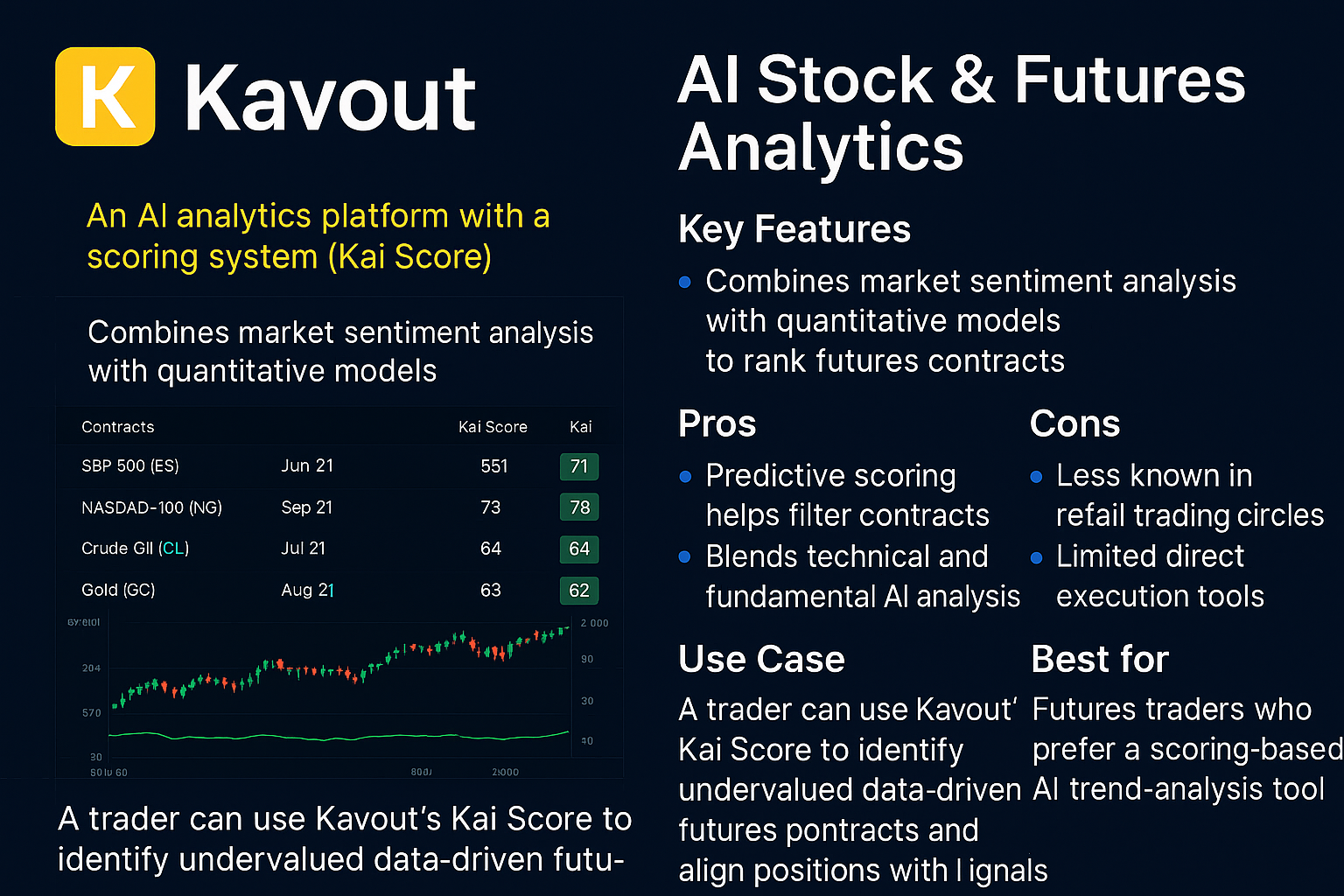
What it is: An AI analytics platform with a scoring system (Kai Score).

AI Advantage: Combines market sentiment analysis with quantitative models to rank futures contracts.

Pros:

  • Predictive scoring helps filter contracts
  • Blends technical and fundamental AI analysis
  • Useful for portfolio-level futures management

Cons:

  • Less known in retail trading circles
  • Limited direct execution tools

Use Case: A trader can use Kavout’s Kai Score to identify undervalued data-driven futures contracts and align positions with AI signals.

Best for: Futures traders who prefer a scoring-based AI trend-analysis tool.


7. Darwinex – Crowd-Sourced AI Strategy Evaluation

AI trend-analysis tools for futures trading decisions

What it is: A platform where AI evaluates trading strategies and assigns scores.

AI Strength: Helps futures traders validate systems with third-party metrics like risk-adjusted returns.

Pros:

  • Transparency with quantitative trading strategies
  • AI-driven scoring ensures accountability
  • Community-based sharing of ideas

Cons:

  • Limited direct futures trading features
  • More evaluation than execution

Use Case: A trader could test a futures strategy based on order flow prediction, then use Darwinex to validate its robustness before going live.

Best for: Semi-pro traders who want AI-powered backtesting + peer validation.


8. EquBot – AI for Futures ETFs and Beyond

AI trend-analysis tools for futures trading decisions

What it is: An AI engine originally used in ETFs, now applied to futures analysis.

AI Edge: Uses NLP + predictive analytics to interpret global news and market sentiment.

Pros:

  • Excellent for macro-driven futures markets
  • Blends technical vs. fundamental AI analysis
  • Automated trend forecasting models

Cons:

  • Not tailored exclusively to futures
  • Requires integration for execution

Use Case: A trader tracking global events could use EquBot to spot futures trends in commodities like wheat or oil influenced by geopolitical shifts.

Best for: Traders combining fundamentals with AI-driven technical insights.


Final Thoughts

AI trend-analysis tools for futures trading decisions are no longer optional—they’re essential for staying competitive. By combining AI-powered backtesting, market sentiment analysis, trend forecasting models, and order flow prediction, traders gain a decisive edge. Whether you’re a retail trader using Capitalise.ai or an institutional desk with Trading Technologies, the future of futures trading is data-driven, AI-assisted, and strategy-focused.This is why many traders are turning to AI trend-analysis tools for futures trading decisions to gain a competitive edge


FAQs – AI Trend-Analysis in Futures Trading

Q1. What is the best AI tool for futures trading beginners?
Capitalise.ai is beginner-friendly because it allows plain-English strategy building.

Q2. Can AI predict futures market trends accurately?
AI tools use trend forecasting models and quantitative trading strategies to improve accuracy, but no system is 100% perfect.

Q3. Are AI futures trading tools expensive?
Some are affordable (TrendSpider ~$44/month), while institutional platforms like Trading Technologies cost more.

Q4. Do I need coding to use AI in futures trading?
No. Tools like Capitalise.ai and TrendSpider don’t require coding. QuantConnect does.

Q5. Will AI replace futures traders?
AI trading bots for futures won’t replace human traders but will enhance decision-making and reduce emotional bias.

Q6. How does market sentiment analysis improve futures trading?
It detects whether futures moves are supported by real demand or speculation, helping traders avoid false signals.

Q7. Why is AI-powered backtesting important in futures?
It allows traders to test strategies on decades of historical data-driven futures contracts, ensuring reliability before risking capital

Feel free to get in touch to explore proven trading techniques and practical strategies— the right knowledge can transform the way you trade